Why Seasonal Car Maintenance is Essential for Your Vehicle
Failing to adapt your car to Utah’s extreme weather invites expensive repairs and risks your safety. Seasonal maintenance is a proactive plan to address the specific stress each season puts on your vehicle, from summer heat on the Bangerter Highway to winter salt corrosion in Salt Lake Valley. It is the practice of inspecting, servicing, and preparing your car’s key systems before a new season begins, ensuring reliability and preventing predictable component failure.
Understanding the Impact of Changing Weather on Your Car
Your vehicle’s components react differently to a 100°F day in July versus a 15°F morning in January. Rubber hoses and seals become brittle in the cold and can degrade under intense UV exposure in the summer. Fluids like oil and coolant must work harder to maintain optimal operating temperatures. Addressing these seasonal impacts directly is the most effective way to extend your vehicle's life and ensure it starts every time you turn the key.
Spring Into Action: Your Essential Spring Car Maintenance Checklist
Spring maintenance is all about recovering from winter's effects and preparing for warmer, wetter weather. The salt, grime, and potholes from months of winter driving in the Salt Lake Valley take a serious toll on your car’s undercarriage, suspension, and alignment. A thorough inspection now prevents minor issues from becoming major repairs later.
Post-Winter Recovery: Addressing Salt, Potholes, and Debris
Winter road treatments are highly corrosive to your car's frame, brake lines, and exhaust system. Start spring with a comprehensive undercarriage wash to remove damaging salt and de-icing chemicals. Potholes hidden under snow and ice can easily knock your vehicle out of alignment, causing uneven tire wear and poor handling. Our ASE-certified master mechanics recommend a professional alignment check to restore vehicle stability and protect your tires.
Undercarriage Wash: Power wash the underbody to remove corrosive salt and grime.
Tire Inspection & Rotation: Check for winter damage, uneven wear, and proper inflation. Rotating them ensures they wear evenly.
Suspension & Alignment Check: Hitting just one major pothole can compromise your suspension and alignment. If you notice your car pulling to one side, it may need a reliable wheel balancing service to correct the issue.
Key Checks for Spring Weather
As temperatures rise, your focus shifts to visibility and fluids. Worn winter wiper blades often streak or tear, compromising your view during spring rainstorms. It’s also the perfect time to check fluid levels that may have been neglected during colder months and ensure your A/C is ready for the first hot day.
Wiper Blades & Fluid: Replace blades that leave streaks and top off your washer fluid.
Air Conditioning Test: Run your A/C for a few minutes to ensure it blows cold. A weak A/C now is a sign of a potential refrigerant leak or compressor issue, which is better fixed before summer’s peak heat.
Brake System Inspection: Salt and moisture can accelerate rust on rotors and calipers. A thorough brake inspection ensures your stopping power is at 100%.
Don't get caught with an expired registration. Spring is a popular time for renewals. We are an authorized facility for emissions tests and safety inspections, providing 'On The Spot' registration renewal for maximum convenience.
Hot Weather Readiness: Summer Car Maintenance Tips
An overheated engine on the side of I-15 is a common but preventable summer sight. Summer maintenance focuses on keeping your vehicle cool under the stress of high ambient temperatures, long road trips, and stop-and-go city traffic. Your cooling system, battery, and tires are the three most critical areas to inspect.
Keeping Your Cooling System in Top Shape
Your car's cooling system works overtime in the heat, especially during steep climbs like Parley's Canyon. The radiator, coolant, hoses, and water pump must all be in excellent condition to prevent overheating, which can cause catastrophic engine damage, such as a warped head gasket. Coolant degrades over time, losing its ability to transfer heat effectively.
Our ASE Certified Master Mechanics check for brittle hoses, leaks, and coolant condition. If the fluid is dirty or testing shows it has lost its protective properties, a top radiator flush service is one of the best preventive investments you can make. This service removes sediment and rust flakes, refilling the system with fresh fluid to ensure maximum cooling efficiency.
Preparing for Road Trips and Heat Stress
Summer heat is the number one killer of car batteries. High temperatures accelerate the chemical reactions inside the battery, shortening its lifespan. If your battery is over three years old, a professional load test can determine if it has the strength to get you through the summer.
Battery Test: We can test your battery's health for free. This simple check provides peace of mind before a long trip.
Tire Pressure Check: For every 10°F increase in temperature, tire pressure increases by about 1 PSI. Over-inflated tires have less contact with the road, reducing traction. Check pressure when the tires are cold.
Check Belts and Hoses: Visually inspect all rubber belts and hoses for cracks, brittleness, or soft spots. A failed belt can disable your car instantly.
Ready your car for summer travel by having an expert inspect these systems. Schedule a pre-trip inspection for guaranteed peace of mind on the road.
Preparing for Cooler Weather: Fall Car Maintenance Checklist
Fall maintenance is your last, best chance to prepare for winter's harsh conditions. As days get shorter and temperatures drop, your priorities shift to visibility, traction, and ensuring your car will start on the first cold morning. Addressing these systems now prevents you from being caught unprepared by the first snowfall.
Transitioning from Warm to Cold Conditions
The transition from a warm to a cold engine puts significant stress on its internal components. Your vehicle’s battery loses significant power as temperatures drop, and fluids like oil and transmission fluid thicken, making the engine harder to turn over. This is when a weak battery or aging spark plugs will reveal themselves.
Understanding how the cold affects your car is the first step in prevention. Our experience serving the Salt Lake Valley shows that vehicles serviced in the fall have far fewer no-start issues in December and January. We check battery cranking amps and inspect ignition system components to ensure a reliable start all winter.
Focus on Visibility and Cold Starts
Your ability to see and be seen is critical as daylight hours dwindle. This is the time to verify all exterior lights are working, your defroster is effective, and your wiper blades are ready for sleet and snow. A failing heater core or blower motor is an issue you want to discover in October, not on a freezing morning commute.
Check All Lights: Walk around your vehicle and check headlights, taillights, brake lights, and turn signals.
Test Heater and Defroster: Ensure they are working effectively. A foggy windshield that won’t clear is a major safety hazard.
Inspect Tires for Tread Depth: If your tires are nearing the end of their life, replace them before slick conditions arrive. Use a penny; if you can see all of Lincoln's head, your tread is too low for safe winter driving.
Don't wait for the first frost. Ask us about a fall vehicle check-up to ensure your visibility and starting systems are ready for winter.
Conquering the Cold: Winter Car Maintenance Essentials
Winter in Utah demands more from your vehicle than any other season. Freezing temperatures, corrosive road salt, and icy roads create a trio of threats that can disable a car without warning. Winter maintenance focuses on three core areas: reliable starting power, maximum traction, and your personal safety.
Protecting Against Snow, Ice, and Freezing Temperatures
Freezing temperatures are your battery’s worst enemy. A battery can lose over a third of its power at 32°F and more than half its power at 0°F. If your battery is more than three years old, it's at high risk of failure. We perform a professional load test to see if it has enough cold-cranking amps for a West Jordan winter.
Additionally, ensure your coolant (antifreeze) is rated for Utah’s low temperatures. Improperly mixed or old coolant can freeze, expand, and crack your engine block, leading to a catastrophic and expensive auto engine rebuild. We can test your coolant’s freeze protection level in minutes.
Battery, Tires, and Emergency Gear for Winter Driving
Traction is a matter of survival on icy roads. All-season tires can harden and lose grip in freezing temperatures. Winter tires are made from a softer rubber compound that stays flexible in the cold, providing significantly better grip on ice and snow. We recommend a dedicated set of winter tires for anyone who commutes regularly in the Salt Lake Valley.
Battery Health: This is the #1 cause of winter no-starts. Get it tested before the first hard freeze.
Winter Tires: They provide the safest stopping and handling performance on snow and ice. The investment is small compared to an insurance deductible.
Emergency Kit: Pack a kit with a blanket, flashlight, jumper cables, ice scraper, and a small shovel. If your car sits for more than two weeks without being driven in winter, the battery can drain completely. A portable jump starter is a wise addition to your kit.
Bring your car in for a winter readiness inspection. Our technicians will ensure your vehicle is prepared to handle whatever the season throws at it.
While seasonal prep is critical, a foundation of consistent, year-round maintenance ensures your car remains reliable and retains its value. These checks are the baseline for vehicle health and should be performed regularly, regardless of the season. Neglecting them undermines any seasonal efforts you make.
Fluid Checks and Tire Care: The Constants
Engine oil, transmission fluid, brake fluid, and coolant are the lifeblood of your vehicle. Regularly checking these levels and conditions prevents the vast majority of mechanical issues. Similarly, maintaining correct tire pressure is the easiest way to improve fuel economy, extend tire life, and ensure safe handling.
Our Oil Change Loyalty Program makes this essential service more affordable. Purchase a $25 sticker for your vehicle and get up to $15 off every future oil change for as long as the sticker is on your car. It's our way of rewarding proactive owners.
Extreme temperatures can also sometimes reveal underlying issues, especially in complex systems. Pay attention to any odd behavior from your transmission in summer heat or winter cold, as these can be early signs you need transmission repair.
Understanding Your Car's Maintenance Schedule
Your vehicle's manufacturer provides a detailed maintenance schedule, often organized by mileage intervals like 30,000, 60,000, and 90,000 miles. This is sometimes called the "30-60-90 rule." This schedule outlines when to replace key components like spark plugs, timing belts, and fluids. Adhering to this factory-prescribed plan is the single best way to ensure longevity and prevent unexpected, costly failures. Our ASE Certified technicians are experts in the factory-scheduled maintenance for all makes and models.
DIY vs. Professional Service: When to Call the Experts
Performing your own maintenance can be rewarding, but it's crucial to know your limits. While tasks like changing wiper blades or topping off washer fluid are simple DIY jobs, most seasonal checks require professional expertise and equipment. Safety and reliability should always be the priority.
Systems like brakes, suspension, alignment, and engine diagnostics require precise tools and deep knowledge. A mistake during a DIY brake job can have fatal consequences. Our ASE Certified Master Mechanics have years of training and experience, and our shop is equipped with diagnostic tools that can identify issues the home mechanic would miss. All our work is 100% guaranteed, providing a level of peace of mind that DIY work cannot match.
Common Questions About Seasonal Car Maintenance
What is the $3000 rule for cars?
The $3,000 rule is a financial guideline, not a mechanical one, used to decide whether to repair or replace an older car. If the cost of a needed repair is more than the car is worth, or more than a set amount like $3,000, some owners choose to put that money toward a new vehicle instead. However, if a $3,000 repair on a vehicle worth $5,000 gives you several more years of reliable service, it can be a much better financial decision than taking on a new car payment.
How does Salt Lake's dry air affect my car's belts and hoses?
Utah's arid climate, combined with intense sun exposure, accelerates the breakdown of rubber components. The dry air leaches plasticizers out of belts and hoses, making them brittle and prone to cracking. We recommend a visual inspection of all belts and hoses at every oil change to catch potential failures early.
Should I get my brakes checked more often if I drive up Big and Little Cottonwood Canyons?
Absolutely. The steep descents from the canyons put immense heat and stress on your brake system. This can lead to accelerated wear of brake pads and rotors, and can cause brake fluid to degrade faster. If you frequently drive these canyon roads, we recommend a professional brake inspection every six months or 6,000 miles to ensure your safety.
Is a winter tire swap really necessary for just driving around West Jordan?
Yes, we strongly recommend it. Even on plowed city streets in West Jordan or Taylorsville, you will encounter black ice, packed snow at intersections, and unplowed side streets. Winter tires provide significantly more grip and shorter stopping distances in temperatures below 45°F, which is a critical safety advantage during Utah's long winters.
What does a seasonal inspection at Ace Auto Repair typically include?
Our comprehensive seasonal inspection is a multi-point check of your vehicle's most critical systems. It includes testing the battery, inspecting brakes, checking all fluid levels and conditions, examining belts and hoses, testing the heating/AC system, inspecting tires for wear and pressure, and checking all exterior lights. We provide a clear report of our findings so you can make informed decisions.
Take Control of Your Vehicle's Health This Season
Seasonal maintenance isn't a cost; it's an investment in safety, reliability, and peace of mind. By proactively addressing the specific challenges of each Utah season, you prevent the stress and expense of an unexpected vehicle issue. You ensure your car is ready for a summer road trip or a winter commute.
As a family-owned business serving the Salt Lake Valley, our goal is to keep you and your family safe on the road. All our work is performed by ASE-certified master mechanics and is 100% guaranteed. Don't wait for a warning light to appear.
There's nothing quite as disheartening as spotting a puddle of reddish-brown fluid under your car. If it's not engine oil, it's very likely transmission fluid, signaling a potential transmission seal leak. This isn't just a messy nuisance; it's a critical issue that, if ignored, can lead to much more severe and expensive transmission problems down the road. We understand that seeing fluid on your driveway can spark immediate concerns about repair costs and the reliability of your vehicle.
At Ace Auto Repair, we've helped countless drivers in our service area diagnose and fix these common issues, restoring peace of mind and the proper function of their vehicles. Our ASE Certified Master Mechanics bring years of experience to every repair, ensuring that when we talk about transmission seal leak repair cost, we're speaking from extensive, real-world knowledge. We've seen everything from minor pan gasket leaks to complex input shaft seal replacements, and we're here to break down what you need to know.
This comprehensive guide will demystify transmission seal leaks, covering everything from symptoms and diagnosis to the various factors that influence repair costs. We'll share our expertise, offering transparent insights into what you can expect when facing such a repair. Our goal is to provide you with the information you need to make informed decisions and understand why timely, professional repair is always the best course of action for your vehicle's longevity and your safety.
Understanding Transmission Seal Leaks: Symptoms & Diagnoses
Before we dive into the costs, it's essential to understand what exactly a transmission seal leak is and how it manifests. Your transmission relies on a specific amount of fluid to lubricate components, cool the system, and facilitate gear changes. Seals and gaskets are crucial for keeping this fluid contained. When these components fail, fluid escapes, leading to potential damage and transmission failure.
In our experience, early detection is key to preventing minor issues from becoming major repairs. We often find that customers who bring their vehicles in at the first sign of a leak save significant money compared to those who wait until performance issues arise.
Common Signs of a Leaking Transmission Seal
Recognizing the symptoms of a transmission leak can empower you to act quickly. Here are the tell-tale signs we advise our customers to look out for:
Red or reddish-brown fluid puddles: Unlike engine oil, which is typically dark brown or black, transmission fluid is usually red or reddish-brown, often with a slightly sweet smell. If you see this under your car, especially towards the middle or front, it's a strong indicator.
Low transmission fluid level: Check your transmission fluid regularly. If it's consistently low, despite not topping it off frequently, fluid is likely escaping somewhere.
Burning smell: Overheating transmission fluid can produce a sharp, burning odor. This often happens if the fluid level gets too low, causing excessive friction.
Delayed or rough gear shifts: Insufficient transmission fluid can lead to hydraulic pressure issues, resulting in hesitant, hard, or delayed gear changes.
Slipping gears: If your vehicle struggles to stay in gear or revs unexpectedly without accelerating, it could be due to low fluid levels impacting the transmission's ability to engage properly.
We once had a customer come in complaining of a strange burning smell and shifting issues. After a quick inspection, we discovered their pan gasket was leaking severely. Catching it before the transmission suffered major internal damage saved them thousands in potential rebuild costs.
How Mechanics Diagnose Transmission Fluid Leaks
When you bring your vehicle to Ace Auto Repair with a suspected leak, our expert diagnosis process ensures we pinpoint the exact source of the problem. We don't just guess; we use a methodical approach:
Visual Inspection: We start with a thorough visual check of the transmission housing, pan, lines, seals, and gaskets for any signs of fluid residue or active drips. This often involves raising the vehicle on a lift.
Fluid Dye Test: For elusive leaks, we might add a special UV dye to your transmission fluid. After driving for a short period, we then use a blacklight to illuminate the dye, making the leak point clearly visible.
Pressure Test: In some cases, we might perform a pressure test to simulate driving conditions and identify leaks that only occur under load.
Reviewing Service History: Sometimes, recent work like a transmission fluid change or other undercarriage repairs can be related to a new leak, so we always ask about your vehicle's history.
Our ASE Certified Master Mechanics are trained to identify even the most subtle leaks. We guarantee our work, which begins with an accurate diagnosis.
Average Transmission Seal Leak Repair Cost Breakdown
Understanding the transmission seal leak repair cost involves several variables. There's no single price tag because the cost depends heavily on which seal is leaking, the vehicle's make and model, and the labor involved. We always provide a free repair quote so you know exactly what to expect.
Truthfully, transmission seal leaks can range from relatively inexpensive fixes to quite significant repairs, particularly if the transmission needs to be partially or fully removed. According to industry data, the average transmission fluid leak repair can range from $150 to $2,000 or more, with the wide range reflecting the complexity of different seal replacements.
Cost by Seal Type: Input, Output, Driveshaft, Pan, & More
The location and type of seal significantly impact the repair cost. Here's a general breakdown:
Transmission Pan Gasket: This is arguably the most common and often the most affordable transmission leak to fix. The gasket seals the transmission pan to the main housing. If it leaks, it's usually due to age, overtightening, or damage.
Output Shaft Seal: Located where the driveshaft exits the transmission (for rear-wheel drive vehicles) or where the axles connect (for front-wheel drive), these seals prevent fluid loss as the shaft rotates. They are generally accessible.
Driveshaft/Axle Seals: Similar to output seals, these prevent fluid from leaking where the axles connect to the transaxle (front-wheel drive) or where the driveshaft enters the differential. These are also relatively accessible.
Selector Shaft Seal: This seal is around the shaft that controls gear selection. It's often more accessible but can sometimes require removing surrounding components.
Speedometer Gear Seal: Some older vehicles have a speedometer cable that enters the transmission, sealed by a small O-ring or seal. These are usually inexpensive to replace.
Input Shaft Seal: This seal is located at the front of the transmission, where it connects to the engine. Replacing this almost always requires removing the transmission from the vehicle, which dramatically increases labor time and, consequently, the cost.
The High Cost of Rear Main Seal Replacement Explained
While technically an engine component, a leaking rear main seal is often confused with a transmission leak due to its location between the engine and transmission. The reason it's so expensive to fix is straightforward: to access and replace the rear main seal, the transmission (and sometimes the clutch/flywheel assembly on manual vehicles) must be completely removed from the vehicle. This is a labor-intensive process, often taking several hours, even for experienced technicians.
"In our experience, a rear main seal replacement is one of the most labor-intensive non-engine-overhaul repairs we perform. Its location makes it incredibly challenging to access without major disassembly." - Ace Auto Repair Technician
The repair typically involves detaching the transmission, bell housing, and often the flexplate or flywheel. For a rear main seal, you can expect costs to range from $600 to $2,000 or more, depending on the vehicle and specific labor rates.
Key Factors Influencing Your Repair Bill
Several factors beyond just the type of seal will influence your final transmission seal leak repair cost. Being aware of these can help you understand your invoice better and appreciate the value of professional service.
Labor Costs: Why They're the Biggest Factor
Labor is almost always the most significant component of a transmission seal leak repair bill. This is because accessing many of these seals requires substantial disassembly and reassembly. For example, replacing an input shaft seal can involve:
Lifting the vehicle and securing it safely.
Draining the transmission fluid.
Disconnecting electrical connectors, transmission lines, and mounts.
Removing the driveshaft or axles.
Supporting the engine.
Unbolting and carefully lowering the transmission from the vehicle.
Replacing the seal, which may require special tools.
Reinstalling the transmission and all its components.
Refilling with new transmission fluid and testing.
All these steps take time and expertise. Our ASE Certified Master Mechanics are efficient, but we never cut corners, ensuring the repair is done right the first time. We transparently explain the labor involved in your free repair quote.
Parts & Fluid Costs: What to Expect
The actual seal itself is usually not very expensive, often ranging from $10 to $50. However, you'll also need new transmission fluid, which can add $50 to $150 or more, depending on the fluid type and the transmission's capacity. Some repairs might also require replacing clips, O-rings, or other small gaskets that are part of the assembly. For instance, when we perform driveline repair, seals are often replaced as a matter of course.
Vehicle Make & Model: Specific Costs (Ford, Chevy, Honda, Nissan)
The design of your specific vehicle plays a huge role. Some manufacturers make seals more accessible than others. For example:
Ford, Chevrolet (Chevy) and Dodge trucks: Often have heavier, more complex transmissions, potentially increasing labor for removal if necessary. Some models, like certain 2007-2008 Chevy Silverados, have specific design considerations that can impact repair accessibility.
Honda (Honda) and Toyota: Many models are known for their strong engineering, but specific transmission layouts can still lead to varying labor times for seal replacements.
Nissan and Subaru: Continuously Variable Transmissions (CVTs) found in many late-model Nissan and Subaru vehicles have their own unique sealing challenges and fluid requirements, which can sometimes influence costs.
Our ASE Certified Master Mechanics are skilled in working with all makes and models, and we tailor our free repair quotes to your specific vehicle.
Where You Get It Fixed: Dealership vs. Independent Shop
Where you choose to have your repair done can also affect the cost.
"Consumer Reports research indicates that independent auto repair shops often charge significantly less per hour for labor than dealerships, while still offering high-quality service."
Dealerships often charge higher labor rates and may insist on using onlyOEM (Original Equipment Manufacturer) parts, which can be more expensive. Independent shops like Ace Auto Repair typically offer more competitive labor rates and can provide options for high-quality aftermarket parts that meet or exceed OEM specifications, helping you save money without compromising quality. We always provide transparent pricing.
Can You Drive With a Leaking Transmission Seal? (And For How Long?)
This is a question we hear frequently: Can you drive with a leaking transmission seal? The honest answer is, it depends on the severity of the leak, but we strongly advise against it for any extended period. A minor, slow weep might allow you to drive for a short time, frequently checking and topping off your fluid, but it's a risky gamble.
Every drop of transmission fluid lost means less lubrication and cooling for critical internal components. This increases friction and heat, leading to premature wear and tear on clutches, gears, and bearings. Eventually, this can cause significant internal damage, leading to:
Transmission overheating
Rough shifting or gear slippage
Complete transmission failure
What might start as a relatively affordable seal replacement can quickly escalate into a transmission rebuild or replacement costing thousands of dollars if ignored. We once had a customer come in with what they thought was a "small leak" that they'd ignored for months. By the time they decided to address it, the transmission was ruined, and the cost of replacing it was over $3,000, far more than the initial seal repair would have been. We prioritize your safety and reliability.
DIY vs. Professional Repair: Is It Worth It?
When faced with a transmission seal leak repair cost, many people wonder if they can tackle it themselves. While some minor auto repairs are suitable for DIY enthusiasts, transmission seal leaks often fall into a trickier category.
When is a DIY Repair Feasible?
Very rarely, a DIY repair for a transmission leak might be feasible:
Transmission Pan Gasket: If you have proper tools, jack stands, new gasket, and the correct transmission fluid, replacing a pan gasket can be a DIY project for someone with moderate mechanical experience. You'll also need a torque wrench for proper bolt tightening.
Speedometer Seal (on older cars): These are usually very accessible and often just require a simple pull and plug replacement.
Even for these simpler tasks, you need to be confident in identifying the exact leak location, using the correct parts, and refilling with the proper specification transmission fluid. Incorrect fluid can be just as damaging as no fluid.
Why Trusting a Professional is Often Best
For most transmission seal leaks, especially those involving the input or output shafts, we firmly believe that trusting an ASE Certified Master Mechanic is the best and most cost-effective approach in the long run. Here's why:
Expert Diagnosis: Pinpointing the exact source of a leak requires trained eyes and sometimes specialized tools. Misdiagnosing the leak means you'll spend time and money on a repair that doesn't solve the problem.
Specialized Tools: Many seals require specific tools for removal and installation to prevent damage to the new seal or surrounding components.
Experience with Disassembly/Reassembly: Transmissions are complex. Removing and reinstalling one correctly, ensuring all components are properly aligned and torqued, requires significant experience. Incorrect reassembly can lead to new leaks or even transmission failure.
Proper Fluid Specification: Different transmissions use different types of fluid. Using the wrong fluid can quickly damage your transmission. Our technicians know exactly which fluid your vehicle requires.
Time and Effort Savings: What might take an experienced DIYer a full weekend could be done by a professional in a few hours, freeing up your valuable time.
100% Guaranteed Work: At Ace Auto Repair, we stand behind our repairs with a 100% guarantee. If you do it yourself, you have no such safety net.
For example, if you incorrectly install an input shaft seal, not only could the seal immediately leak again, but fluid contamination or insufficient lubrication could damage the torque converter or other internal components, turning a $500 repair into a multi-thousand-dollar nightmare. Don't take that risk with your vehicle's most complex component.
Preventative Maintenance to Avoid Transmission Leaks
An ounce of prevention is worth a pound of cure, especially when it comes to averting an expensive transmission seal leak repair cost. While some seals simply wear out with age, consistent maintenance can significantly extend their lifespan and the overall health of your transmission.
Regular Transmission Fluid Checks and Changes: Follow your vehicle manufacturer's recommended service schedule for transmission fluid changes. Old, degraded fluid loses its lubricating and cooling properties, leading to excessive heat and pressure that can degrade seals prematurely. We also offer radiator flush services to ensure your cooling system (which often includes a transmission cooler) is functioning optimally.
Use the Correct Fluid: Always ensure the correct type of transmission fluid is used, whether you're topping it off or getting a fluid change. Our ASE Certified Master Mechanics always use the manufacturer-specified fluid.
Address Overheating Issues Promptly: Excessive heat is a major enemy of transmission seals. If your vehicle runs hot or you notice your temperature gauge rising, get it checked immediately. This could be due to a faulty thermostat, clogged radiator, or other issues within the cooling system.
Regular Inspections: During routine oil changes or other vehicle services, ask us to do a quick visual inspection for any signs of fluid leaks under your vehicle. Early detection helps immensely.
Avoid Overloading or Heavy Towing: Constantly pushing your transmission to its limits generates extra heat and stress, which can accelerate wear on seals and other components.
By following these preventative steps, you're not just taking care of your transmission; you're investing in the longevity and reliability of your entire vehicle. We specialize in full-service auto repair to keep your vehicle running smoothly.
Finding a Trusted Transmission Repair Shop
When you're facing a transmission leak, finding a trustworthy and skilled repair shop is paramount. You need peace of mind that the job will be done correctly, efficiently, and at a fair price. Here at Ace Auto Repair, we pride ourselves on being that trusted partner for drivers in our service area. Here’s what sets us apart:
ASE Certified Master Mechanics: Our team is comprised of highly trained and certified professionals who have demonstrated expertise across all areas of automotive repair, including complex transmission systems. This means we have the knowledge to diagnose and repair your transmission leak accurately.
100% Guaranteed Work: We stand by every repair we perform. Our commitment to quality means that you can trust our work to be done right the first time, giving you confidence and peace of mind.
Transparent Pricing: We believe in honest communication. We offer free repair quotes and explain all costs upfront, so there are no surprises. You'll understand exactly what you're paying for.
State-of-the-Art Equipment: We invest in the latest diagnostic tools and repair equipment to ensure precise and efficient service for all makes and models.
Family Owned & Operated: As a local, family-owned business, we value building long-term relationships with our customers. We treat you like family, offering personalized service and genuine care for your vehicle.
Convenience: From our easy scheduling to our comprehensive range of services, including on-the-spot registration renewal after an emissions and safety inspection, we strive to make auto repair as hassle-free as possible.
Don't let a transmission leak turn into a costly nightmare. Contact Ace Auto Repair today to schedule your inspection and get a free quote. Let our experts ensure your vehicle is safe, reliable, and back on the road with confidence.
December 22, 2025 |
Author: Jake Jensen |
No comments |
Categories: Blog
Why Your Car Battery Doesn’t Last as Long as You Think
A weak battery never fails at a good time. One morning it cranks slowly, the lights look a little dim, and you’re wondering if today is the day it leaves you stranded. If you drive in West Jordan or anywhere in the Salt Lake Valley, you’ve probably felt that moment of doubt when the car hesitates before starting.
Here’s the good news. You can understand exactly how long a car battery should last, what shortens its life, and the signs that tell you it is on the way out. This guide breaks everything down in plain English so you know what to do and when to do it.
If you’re in West Jordan and dealing with slow starts or electrical issues, you’re not alone. Let’s make this simple.
Most car batteries last three to five years. That is the clean and straightforward answer. The lifespan changes quickly depending on where you live, how you drive, and how well your vehicle is maintained.
Here’s the thing. Utah’s extreme temperature swings are tough on batteries. Summer heat strains the internal plates, and winter cold thickens the engine oil, forcing the battery to work harder. If you live in West Jordan, it is normal to see battery lifespans on the lower end of the three to five year range.
A battery can fail early even if the car still seems fine. Understanding the factors that shorten battery life helps you stay ahead of unexpected breakdowns.
What Affects the Lifespan of Your Car Battery
Climate and Temperature Exposure
Batteries handle heat poorly. High temperatures speed up chemical wear inside the battery. Many people assume winter kills a battery, but the truth is that the weakening often begins during hot summer months.
Utah’s hot summers can shorten battery life by a year or more. Parking in direct sunlight adds even more stress.
Cold weather slows the battery’s chemical reactions. This makes the battery deliver less power, which is why winter exposes batteries that were already nearing the end of their life.
Driving Habits and Short Trips
Short trips prevent the alternator from fully recharging the battery. If your routine involves frequent quick drives, the battery spends most of its time undercharged. A regularly undercharged battery wears out faster.
Longer drives are healthier because they give the charging system enough time to do its job.
Vehicle Electrical Load
Modern cars rely heavily on electronics. Heated seats, climate control, infotainment systems, chargers, and aftermarket lights all pull power. If you regularly use these features with the engine off, the battery works overtime and ages faster.
Age of the Vehicle
Older vehicles sometimes develop small electrical drains. A worn relay or module may slowly pull power even when the car is off. The drain is often too small to notice until the battery is dead.
Maintenance and Condition of the Charging System
A battery relies on the alternator to stay healthy. A weak alternator or loose belt prevents proper charging. When the battery is forced to pick up the slack, it wears out quickly. You can learn more about this in our guide on alternator repair.
Signs Your Car Battery Is Failing
Most batteries give warnings before they fail. Recognizing these signs early saves you time and avoids stressful breakdowns.
Slow or Struggling Engine Crank
If the engine turns over more slowly than usual, the battery may be losing its reserve power. This is often the first noticeable sign.
Dim Headlights or Interior Lights
Lights that dim or flicker usually indicate low available voltage.
Clicking Sound When Starting
Rapid clicking during ignition means the battery does not have enough power to fully engage the starter.
Dashboard Battery Light
The battery light does not always point to the battery itself. It often indicates a charging system issue that needs immediate attention.
Electrical Accessories Acting Strange
Weak radio reception, slow window movement, and screen resets all suggest the battery is weakening. If this is happening often, it may be time for professional electrical repair.
How to Test Your Car Battery
Simple At Home Checks
Look for corrosion on the terminals
Check for swelling or bulging in the battery case
Listen for slow cranking
Observe whether headlights dim while starting
These checks offer clues but do not replace a proper diagnostic test.
Professional Battery Testing
At Ace Auto Repair, we test voltage, cold cranking amps, and internal resistance using industry grade equipment. This gives a clear picture of the battery’s health and helps determine whether the issue is caused by the battery or another part of the electrical system.
A smart rule of thumb is to replace your battery once it reaches four years of age, even if it still appears to work. Waiting for failure often means getting stranded.
Replace the battery sooner if you notice:
Slow starts
Excessive corrosion
Inconsistent electrical performance
A swollen or misshapen case
Warning lights on the dashboard
If your car struggles on cold mornings or after sitting overnight, the battery is likely nearing the end of its life.
Utah Specific Tip
Weak batteries often reveal themselves during the first cold mornings of winter. If your battery is more than three years old, get it tested before winter hits. Drivers often discover additional cold weather issues, which is why our guide on winter vehicle maintenance is helpful.
Can You Revive a Weak Battery
A battery that is simply drained may be recharged. A battery with internal wear cannot be revived. Jump starting is a temporary solution that gets the vehicle running, but it does not restore battery health.
If you need to jump start your vehicle more than once in a short period, the battery is failing. If jump starting is part of your current struggles, our seasonal reminder on oil change service and basic maintenance can help you stay ahead of issues like this.
How to Make Your Battery Last Longer
Drive a Bit Longer
Giving the alternator enough time to recharge the battery is the simplest way to extend battery life.
Avoid Using Electronics With the Engine Off
Items such as chargers and cabin lights drain the battery faster than most people realize.
Keep Battery Connections Clean
Corrosion increases resistance and reduces charging efficiency. Clean terminals help maintain a strong electrical connection.
Park in Shade During Summer
Shade reduces internal heat buildup and slows battery aging.
Test the Charging System Once a Year
A weak alternator can destroy a battery much earlier than expected.
Real World Expertise
At Ace Auto Repair in West Jordan, we handle hundreds of battery and electrical issues every year. Many drivers assume the battery is the cause, yet a significant number of problems are rooted in alternator or wiring failures.
Sharing the patterns we see in our shop helps you make better decisions. Vehicles in Utah face unique stress because of wide temperature swings, and battery performance reflects that reality.
Industry averages place most battery lifespans between three and five years. Hot climates consistently skew that number closer to three.
Soft Next Step if You Need Help
If your vehicle shows slow starts or electrical inconsistencies, a quick battery test answers the question immediately. The test is simple and gives you peace of mind.
Ace Auto Repair offers free battery checks and free repair quotes so you can get clear answers without pressure. If you need help beyond the battery itself, you can schedule a make an appointment anytime.
Most Utah drivers should expect a battery to last between three and four years. Utah’s climate has hot summers that accelerate chemical breakdown inside the battery and cold winters that strain the battery during startup. These conditions shorten the lifespan compared to regions with mild temperatures. If your vehicle sits outside or experiences long periods of heat or freezing temperatures, the battery will age even faster. Regular testing is important because a battery can appear fine on the outside while losing capacity on the inside.
A battery can reach five years of life, but this typically requires ideal conditions. Moderate weather, long drives, and a healthy charging system all contribute to longer battery life. In Utah, however, weather extremes make it less common. Most drivers deal with hot summers, cold winters, and electrical demands from modern vehicle features. These factors make five year battery lifespans possible but not predictable. If your battery is approaching four years old, it is wise to test it regularly and be prepared to replace it soon.
Heat is the most damaging factor for car batteries. High temperatures accelerate internal corrosion and evaporate battery fluid. Short trips are another major issue because they keep the battery undercharged. Electrical drains from aging components can also pull power while the vehicle is off. Leaving accessories running without the engine on, such as lights or chargers, speeds up battery wear. Low charge levels created by a weak alternator contribute as well. Each of these conditions reduces the battery’s ability to hold a charge and shortens its life. You can explore more related electrical symptoms in our guide on auto electric repair services.
Pay attention to when the symptoms appear. If the vehicle dies while driving, the alternator is usually at fault because the alternator powers the vehicle once the engine is running. If the vehicle mainly struggles during startup or after sitting overnight, the battery is more likely the issue. You can also observe how lights behave. Lights that brighten when you rev the engine often indicate alternator trouble. A professional charging system test is the most accurate method and takes only a few minutes at Ace Auto Repair.
Replacing your battery before winter is a smart idea if it is more than three years old. Cold temperatures slow the battery’s internal chemical reactions, and the engine requires more power to start in cold weather. A battery that performed acceptably during fall may fail completely during the first cold morning. Many Utah drivers avoid winter breakdowns by replacing or testing their battery before temperatures drop. Proactive replacement is cheaper and more convenient than dealing with a no start situation. You can also read our advice on how cold affects your car if winter problems are already appearing.
You can drive with a weak battery, but it is not recommended. Weak batteries fail randomly and tend to die at moments when you cannot afford a delay. If the alternator is also weak, the vehicle may stall during driving. Even with a healthy alternator, a battery that can no longer hold a charge can leave you stranded without warning. If your car needs frequent jump starts or shows slow cranking, dim lights, or electrical problems, replacing the battery now is the safest choice.
Ready for Reliable Starts Every Day
If your vehicle is showing signs of a weak battery or you simply want peace of mind, a quick test now can save you time later. You now understand what to expect from a battery, how climate and driving habits affect its lifespan, and the steps you can take to keep it healthy.
If you’re ready to take action, Ace Auto Repair in West Jordan offers free battery and electrical system checks. We will give you a clear answer and help you choose the best next step without pressure.
You turn the key, the engine fires up, the lights come on, and everything just works. Behind the scenes, your alternator is doing a lot of that heavy lifting.
The alternator's job is to keep your battery charged and power your vehicle's electrical systems while the engine is running. Headlights, blower motor, heated seats, radio, power windows, ignition system, fuel system - they all rely on consistent voltage from the alternator.
When the alternator starts to fail, your battery becomes a temporary band-aid. It will keep things going for a short time, but once the battery drains, the car or truck will stall or refuse to restart. That is why catching alternator symptoms early is so important if you want to avoid getting stranded in West Jordan traffic or on a weekend trip across the Salt Lake Valley.
Early Warning Signs Your Alternator Is Failing
When drivers in West Jordan ask us about bad alternator symptoms, we usually find the signs started weeks before the car finally died. Here is what you should be watching for.
Electrical Symptoms You Should Never Ignore
These are often the very first clues that your alternator is not keeping up:
Dim or flickering headlights
Headlights that get brighter when you rev the engine and dim at idle are a classic alternator warning. The alternator is struggling to provide steady power.
Dashboard lights acting strange
You might see the battery light, charging light, or "ALT" warning lamp come on. Sometimes it flickers, sometimes it stays solid. Either way, it is your car's way of saying the charging system needs attention.
Electronics cutting in and out
Power windows slowing down, the radio shutting off randomly, flickering interior lights, or a blower fan that changes speed on its own all point to voltage issues.
Weak or dead battery after short drives
If the battery keeps dying even though it is fairly new, the alternator may not be charging it correctly.
Performance And Drivability Symptoms
A failing alternator does not just affect lights. It can change the way your vehicle drives:
Hard starting or repeated jump starts
You may need a jump to get going, then the car runs fine for a bit, then it is dead again. That cycle often means the alternator is not refilling the battery.
Rough running or stalling
Modern engines rely on stable electrical power for fuel injectors, ignition coils, sensors, and the engine computer. Low voltage can cause misfires, rough idle, or sudden stalling at stoplights.
Warning messages on the dash
You might see charging system warnings, multiple system errors, or "limp mode" behavior when the voltage drops too low.
Visual And Sound Clues Around The Engine Bay
Sometimes you can literally see or hear alternator problems while the engine is running:
Grinding or whining noises
A worn alternator bearing or internal damage can create a high pitched whine or grinding sound that changes with engine speed.
Burning rubber or hot electrical smell
An alternator that is working too hard or has a slipping belt can overheat. You might notice a hot, electrical, or burnt smell from the front of the engine.
Loose or glazed belt
The drive belt that spins the alternator can stretch, crack, or glaze. If it is slipping, the alternator will not charge properly even if the unit itself is still good.
Any one of these symptoms is worth checking. When several show up together, we treat it as urgent and recommend you have the vehicle looked at before it leaves you stranded.
Bad Alternator Or Bad Battery: How To Tell The Difference
Alternator issues and battery issues often look very similar on the surface. That is why so many people buy a new battery, only to end up stuck again a week later.
Here is how we usually separate the two in the shop:
Battery problems often show up at start up
If the car cranks slowly in the morning but then runs fine all day, that can point to a weak or old battery. Especially if all the lights are bright once it is running.
Alternator problems usually get worse as you drive
You might start the car with no issues, then after 10 or 20 minutes the lights dim, electronics fail, or the car stalls. That usually means the alternator is not keeping the system charged.
Jump start behavior is a big clue
If a jump start gets you going and the car keeps running for a long drive, the alternator is probably doing its job and the battery is suspect. If it dies again quickly, the alternator may not be charging.
In our West Jordan shop, we never guess. We use a charging system tester to check:
Battery health and capacity
Alternator output under load
Voltage drops in cables and connections
That simple test saves you from buying the wrong part and helps us fix the real root cause instead of chasing symptoms.
Why Ignoring Alternator Problems Can Cost You More
It is tempting to ignore a flickering light or an occasional hard start, especially when the car eventually starts and drives. The problem is that charging system issues almost never fix themselves.
Putting off alternator service can lead to:
Unexpected breakdowns
Alternators often fail completely with very little warning once they reach a certain point. That can leave you stuck on the side of the road, late to work, or stranded on a weekend trip.
Damaged battery
Constantly running a battery down and recharging it is hard on it. A weak alternator can shorten battery life significantly, turning one problem into two.
Electrical damage
Voltage that is too low or, in some cases, too high can stress sensitive electronics like the engine computer and modules. Those parts are far more expensive than an alternator.
Towing and emergency costs
A tow across the Salt Lake Valley, missed time at work, or after hours emergency repairs quickly add up.
What this really means is that early diagnosis is almost always cheaper and less stressful than waiting until the car quits altogether. If your vehicle is showing the bad alternator symptoms we described, it is the right time to have a professional take a look.
How Professionals Diagnose And Repair Alternator Issues
At Ace Auto Repair in West Jordan, we see charging system problems every week. The process we use is designed to be accurate, fast, and transparent so you know exactly what is going on with your car or truck.
Why Professional Service Is Safer Than DIY Fixes
Alternators are often buried behind other components, tied into complex wiring, and controlled by your vehicle's computer. Modern systems are not as simple as unplugging one unit and bolting on another.
Here is why we recommend professional service instead of DIY for alternator issues:
Accurate diagnosis
A loose ground, a bad cable, a slipping belt, or a weak battery can all look like a failing alternator. Swapping parts without testing wastes money and time.
Protecting sensitive electronics
Incorrect jump starting, poor connections, or the wrong alternator for your vehicle can damage control modules and other electronics.
Proper tools and specs
We use professional meters, load testers, and manufacturer specifications to be sure the system is working correctly, not just "good enough."
Safety
Working around a running engine with spinning belts and high current wiring is not something to take lightly. Our techs are trained and equipped to do it safely.
What To Expect During An Alternator Inspection
When you bring a car or truck to us with possible alternator problems, here is how we typically handle it:
Listen to your symptoms
We ask what you have noticed: dim lights, stalling, new noises, warning lights, or recent battery replacements. Those details help us pinpoint the issue faster.
Visual and belt inspection
We check the alternator, belt condition and tension, connections, and for any signs of overheating or damage.
Battery and charging test
Using diagnostic equipment, we test:
Battery state of charge and health
Alternator output at idle and higher RPM
How the system behaves under electrical load
Electrical system check
If needed, we look for voltage drops, corroded cables, or wiring problems that could be affecting charging.
Clear explanation and free quote
Once we know exactly what is going on, we explain it in plain language: what needs attention now, what can wait, and what it will cost. We provide a free repair quote before any work starts.
If the alternator does need replacement, we use quality parts, install them to spec, and recheck the entire charging system before we hand the keys back. Our goal is that you leave confident your vehicle will start and run reliably.
Schedule Professional Alternator Service Today
If you are noticing dim headlights, strange electrical behavior, or repeated dead batteries, your alternator is trying to tell you something. The sooner we take a look, the more likely we can prevent bigger problems and higher costs.
At Ace Auto Repair, our certified mechanics help drivers in West Jordan and across the Salt Lake Valley with everything from minor charging issues to full alternator replacement. We back our work, keep our pricing transparent, and always explain our findings before any repair starts.
If your vehicle is showing any of the bad alternator symptoms we covered, give us a call at (801) 803-6016 or contact us to get your free repair quote and schedule service. We will treat your car or truck like it is our own and help you get back on the road feeling safe and confident.
Key Takeaways
Common bad alternator symptoms include dim or flickering headlights, warning lights on the dash, and electronics that cut in and out while driving.
A weak or repeatedly dead battery after short trips often points to alternator trouble, especially if the battery is fairly new and properly installed.
Drivability issues like hard starting, rough running, stalling, or “limp mode” can occur when a failing alternator starves modern engine electronics of stable voltage.
Grinding or whining noises, a burning rubber or hot electrical smell, and a loose or glazed drive belt are visual and sound clues that the alternator is struggling.
Alternator problems usually worsen the longer you drive, unlike battery issues that show mainly at startup, so professional testing is the safest way to confirm the true cause.
Ignoring bad alternator symptoms can lead to breakdowns, a ruined battery, possible electrical damage, and higher costs for towing and emergency repairs.
Frequently Asked Questions About the Symptoms of a Bad Alternator
What are the most common symptoms of a bad alternator?
Common symptoms of a bad alternator include dim or flickering headlights, warning lights like the battery or ALT light on the dash, slow or failing power windows, electronics cutting out, repeated dead batteries, rough running or stalling, and unusual whining or grinding noises from the engine area.
How can I tell if it’s a bad alternator or a bad battery?
Battery problemsusually show up at startup, such as slow cranking in the morning but normal operation once running. Symptoms of a bad alternator typically worsen as you drive: lights dimming, electronics failing, or stalling after 10–20 minutes. A charging system test is the most reliable way to know for sure.
Can I keep driving if I notice symptoms of a bad alternator?
Driving with bad alternator symptoms is risky. Once the alternator can’t charge the battery, the vehicle may suddenly stall and refuse to restart, leaving you stranded. Continuing to drive can also damage the battery and sensitive electronics. It’s best to have the charging system checked as soon as possible.
What happens if I ignore alternator warning signs?
Ignoring early symptoms of a failing alternator can lead to unexpected breakdowns, a ruined battery from repeated deep discharges, and possible damage to electronic control modules from improper voltage. You may also face towing costs and emergency repair bills that are more expensive than early, scheduled service.
How long does a car alternator usually last?
Most alternators last between about 80,000 and 150,000 miles, depending on driving conditions, electrical load, and maintenance. Short trips, heavy accessory use, and heat can shorten lifespan. Once you notice symptoms of a bad alternator, mileage matters less than getting a prompt inspection to avoid sudden failure.
Can a bad alternator drain my battery overnight?
Yes. A failing alternator can either undercharge the battery while driving or, if it has an internal short or diode failure, create a parasitic draw that drains the battery while the car is off. If your battery is repeatedly dead after short drives, have the alternator and charging system tested.
Ever notice your steering wheel pulling slightly to one side or your tires wearing unevenly? That’s not just an annoyance; it’s your car’s way of saying, “Hey, I need help.” If you’re in West Jordan, Utah, and your car doesn’t feel quite right on the road, you’re not alone. Many drivers put off wheel alignment service until the damage shows up on their tires or suspension.
This guide explains exactly what a wheel alignment service includes, why it’s essential for your vehicle’s performance and safety, and what to expect when you bring your car to Ace Auto Repair. By the end, you’ll know how this simple service can save you money and keep your ride smooth, safe, and fuel-efficient.
A wheel alignment is all about precision. It adjusts the angles of your car’s wheels so they meet the road exactly as your manufacturer intended. When your wheels are correctly aligned, your tires wear evenly, your car handles better, and your steering stays true.
Here’s how alignment works in simple terms:
Camber: The inward or outward tilt of your wheels when viewed from the front.
Caster: The angle of your steering pivot that helps with stability and cornering.
Toe: The direction your tires point when viewed from above.
If any of these angles are off, your tires start fighting against each other. Over time, this causes pulling, drifting, or tire wear that costs you more down the road.
What’s Included in a Wheel Alignment Service
At Ace Auto Repair, we approach wheel alignment like a full diagnostic tune-up for your tires and suspension. Here’s what’s typically included in a standard alignment service:
1. Full Vehicle Inspection
Before making any adjustments, our certified mechanics inspect the suspension, steering components, and tire condition. This ensures that no worn parts are throwing your alignment off balance.
2. Alignment Angle Measurement
We use digital alignment equipment to measure your camber, caster, and toe angles to manufacturer specifications. Every car and truck is different, so accuracy matters.
3. Adjustment to Factory Settings
Once measurements are complete, we adjust the angles to match exact manufacturer standards. This restores smooth handling, even tire wear, and proper steering control.
4. Steering and Test Drive Verification
After the adjustment, your mechanic takes the car for a short test drive to confirm that the steering wheel is centered and handling feels right.
Pro Tip: A proper wheel alignment should leave your steering wheel perfectly straight, with your car tracking smoothly down the road. There should be no pulling or vibration.
Signs You Might Need a Wheel Alignment
Here’s the thing: your car gives you clues long before tire damage sets in. Recognizing these signs early can save you hundreds in tire replacement costs.
Look out for:
Car drifting or pulling to one side when driving straight
Think of alignment as preventive maintenance that protects your investment. Every bump, turn, and stop affects how your wheels and suspension sit on the road. Over time, even small shifts can throw your car off balance.
Regular alignment offers:
Better fuel efficiency: Misaligned wheels cause drag and waste fuel.
Longer tire life: Proper angles distribute wear evenly across the tread.
Improved safety: Your car handles more predictably in all conditions.
Smoother ride quality: You’ll notice quieter, more controlled steering.
Most vehicles benefit from an alignment check every 6,000 to 10,000 miles, or any time you replace tires.
What to Expect at Ace Auto Repair
At Ace Auto Repair in West Jordan, our certified mechanics handle wheel alignments for all makes and models of cars and trucks.
Here’s what makes our process different:
Free Repair Quote: You’ll know exactly what’s needed before we start.
Certified Expertise: Our team is ASE-certified and experienced in precision alignment systems.
Customer Transparency: We explain what we adjusted and show you the before-and-after measurements.
Loyalty Program Savings: Earn rewards on oil changes and maintenance that keep your vehicle running smoothly.
Our goal isn’t just to fix alignment problems. It’s to keep your vehicle reliable, safe, and efficient for the long haul.
Building Trust Through Experience
At Ace Auto Repair, we’ve helped hundreds of West Jordan drivers fix issues like uneven tire wear, drifting, and steering pull. Most arrive frustrated or confused, unsure why their car feels off. Once they see their alignment readings and test-drive the results, they finally understand how big a difference precision service makes.
We don’t rely on gimmicks or rushed jobs. Every adjustment is carefully performed, every explanation is simple, and every customer leaves confident in their vehicle’s health. That’s how trust is built, one repair at a time.
Ready to Get Your Car Back on Track?
If your car isn’t driving straight or your tires are wearing unevenly, it’s time to get an alignment check.
Call (801) 803-6016 today or visit us at 3399 W 8395 S, West Jordan, UT 84088.
Your car will thank you with better mileage, smoother handling, and longer-lasting tires.
Frequently Asked Questions About Wheel Alignment
What does a wheel alignment actually do?
A wheel alignment adjusts the angles of your car’s suspension system, specifically camber, caster, and toe, so your wheels sit and roll straight. This ensures your tires make full, even contact with the road. Proper alignment improves fuel efficiency, extends tire life, and gives you better control behind the wheel. Without it, your tires wear unevenly, your steering wheel can pull, and your vehicle’s handling may feel unpredictable.
How often should I get a wheel alignment?
Most vehicles should get an alignment every 6,000 to 10,000 miles, or about once a year, depending on your driving habits and road conditions. If you regularly drive on rough roads, hit potholes, or notice uneven tire wear, you may need one sooner. You should also schedule an alignment any time you install new tires or replace steering or suspension parts.
How long does a wheel alignment take?
A standard two- or four-wheel alignment usually takes 45 minutes to an hour. During that time, your mechanic checks your vehicle’s suspension, measures wheel angles using digital tools, and makes precise adjustments to factory specifications. If additional suspension components are damaged or worn, your technician may recommend repairs before completing the alignment to ensure accuracy and safety.
Is it worth paying for a professional alignment?
Yes, it’s absolutely worth it. A professional alignment ensures your vehicle meets exact manufacturer specifications using advanced diagnostic equipment. DIY or quick visual checks can’t achieve that precision. The upfront cost of alignment, typically between $90 and $120 for most cars, pays off by saving you money on tires, improving fuel efficiency, and preventing costly suspension damage later.
What happens if I ignore alignment issues?
Ignoring alignment issues leads to uneven tire wear, poor fuel economy, and rough handling. Your car may drift, vibrate, or pull to one side, which not only wears out your tires faster but can also strain your suspension and steering systems. Over time, the extra stress can cause expensive damage. Getting regular alignment checks is an easy and affordable way to prevent major repairs.
What’s the difference between alignment and balancing?
Alignment focuses on the angle and direction of your wheels in relation to the road and the vehicle. Balancing, on the other hand, deals with the weight distribution of each tire and wheel assembly. If your car shakes or vibrates at certain speeds, it might need balancing. But if it pulls, wanders, or wears tires unevenly, alignment is likely the issue. Both services work together to ensure a smooth, safe ride.
Keep Your Vehicle Performing Its Best
A proper wheel alignment isn’t just about tire angles; it’s about driving confidence, fuel savings, and safety.
At Ace Auto Repair, we’re proud to help West Jordan drivers keep their vehicles running at their best with honest service, certified mechanics, and transparent pricing.
Need help today? Call (801) 803-6016 or get your free quote online to see how simple it is to get your car driving like new again.
Can Your Local Mechanic Handle Transmission Repairs?
If your car is slipping gears, leaking fluid, or making strange noises, you’re probably wondering if your regular mechanic can take care of it or if you need a transmission specialist. It’s a stressful spot to be in, especially when repairs can be costly and confusing. If you’re in West Jordan, Utah, and dealing with transmission trouble, you’re not alone. This guide breaks down what a general auto repair shop like Ace Auto Repair can handle, when you may need a specialist, and how to make the most intelligent decision for your vehicle and wallet.
However, when it comes to major rebuilds or replacements, a dedicated transmission specialist may be better equipped with advanced tools and training. What this really means is that your trusted neighborhood mechanic can handle a wide range of issues, and you only need a specialist for rare, highly complex jobs.
Common Transmission Issues a General Mechanic Can Solve
Not every transmission problem requires a complete overhaul. Many issues are manageable at your local repair shop.
Typical transmission problems a regular mechanic can address:
Fluid leaks: From cracked pans, worn gaskets, or loose seals
Overheating: Caused by old or contaminated transmission fluid
Shifting delays or roughness: Often fixed with a solenoid or fluid service
Noise in neutral: Sometimes caused by simple fluid or linkage issues
By catching problems early, you can often avoid the expensive "rebuild or replace" scenarios people dread.
When Do You Need a Transmission Specialist?
Sometimes the problem goes beyond what a general mechanic can reasonably handle.
Situations where a specialist is recommended:
Full transmission rebuilds: Disassembling and replacing internal gears, clutches, and bands
Exotic or rare vehicles: Cars with uncommon transmission systems
Major internal damage: When fluid is burnt, gears are stripped, or the system has failed completely
At Ace Auto Repair, we’re honest about what we can do in-house and when a referral is in your best interest. That transparency saves you from wasting time and money.
Transmission Repair Costs and Timelines
One of the biggest concerns drivers have is cost. While every situation is unique, here’s what you can generally expect:
Minor repairs (fluid change, solenoid replacement, gasket repairs): A few hundred dollars
Moderate repairs (torque converter replacement, valve body issues): $500-$1,500
Rebuild or replacement: $2,500-$5,000+, depending on make and model
Timeframes vary as well:
Simple services can be completed same day
Bigger jobs may take several days if parts need ordering
At Ace Auto Repair, we provide free auto repair quotes before any work begins, so you’re never stuck with unclear estimates. If you’re weighing repair or replacement, we’ll walk you through the smartest path based on your vehicle and budget.
Building Trust Through Experience
At Ace Auto Repair, we’ve seen just about everything roll into the shop. From minor fluid leaks to complex electrical issues affecting the transmission, our team has helped hundreds of West Jordan drivers get back on the road with confidence. We combine certified expertise with a personal, neighborhood approach. Customers trust us because we explain things clearly, break down costs upfront, and treat every vehicle as if it were our own.
Ready to Take the Next Step?
If you’re dealing with transmission problems, don’t wait until the issue gets worse. A quick inspection today can save you thousands tomorrow.
Whether it’s a minor fix or something more complex, Ace Auto Repair is here to help you every step of the way.
Frequently Asked Questions
What is transmission repair?
Transmission repair is the process of identifying and correcting problems that prevent your transmission from working correctly. This may include repairing or replacing worn seals and gaskets, fixing solenoids, addressing leaks, or adjusting electronic controls. Unlike a full rebuild, which involves taking the transmission apart and replacing internal components, most transmission repairs focus on specific issues that affect performance. Repairs can restore smooth shifting, eliminate noises, and improve the overall drivability of your car.
Is it better to repair or replace a transmission?
The answer depends on the extent of the damage. If the problem is minor, like a sensor failure or a fluid leak, repairing the transmission is the most cost-effective option. However, if the transmission has suffered severe internal damage, such as burnt clutches, stripped gears, or repeated failures, replacement may be the more intelligent choice. Repairs cost a few hundred to a couple of thousand dollars, while replacement typically costs $2,500 to $5,000 or more. A qualified mechanic will inspect your vehicle and give you an honest recommendation based on condition, mileage, and budget.
Can automatic transmissions be repaired?
Yes. Automatic transmissions can be repaired in many cases, despite their complexity. Typical repairs include replacing solenoids that control fluid pressure, fixing leaks in gaskets or seals, or addressing issues with the valve body. Modern automatic transmissions are heavily computer-controlled, so repairs often involve both mechanical and electronic fixes. While not every repair requires a full rebuild, more extensive damage like slipping gears or burnt fluid may call for advanced work or replacement.
How long does a transmission repair last?
A transmission repair can last many years if the underlying issue is fixed correctly and the vehicle is maintained. For example, replacing worn solenoids or fixing a fluid leak can extend the life of the transmission significantly. Regular maintenance, such as changing transmission fluid and filters, is key to ensuring the repair lasts. On average, a well-done repair can provide 50,000 to 100,000 more miles of use, depending on the age of the vehicle and driving habits.
What are the signs I need transmission service?
There are several warning signs that indicate your transmission needs attention:
Slipping gears: The car changes gears unexpectedly or doesn’t stay in gear.
Delayed engagement: A lag when shifting from park to drive or reverse.
Fluid leaks: Red or brown fluid under the vehicle.
Unusual noises: Grinding, whining, or clunking while driving.
Dashboard warning lights: Check engine or transmission lights.
If you notice any of these, it’s essential to schedule an inspection right away. Catching problems early can save you from major repairs later. For a deeper dive into symptoms, see the 7 warning signs you need a transmission repair.
How long does it take to repair a transmission?
Minor repairs, like replacing a solenoid or gasket, can often be completed in a day. Fluid services or leak fixes are usually the same day as well. More involved work, such as torque converter replacement, may take 2-3 days. A full rebuild or replacement can take a week or longer, depending on parts availability. At Ace Auto Repair, we give you a clear timeline upfront so you know what to expect.
Keep Your Car Running Smoothly with Ace Auto Repair
Your transmission is one of the most important parts of your vehicle. Ignoring small issues today can lead to expensive repairs tomorrow. The good news is that many problems can be handled by your trusted local mechanic before they get out of hand.
At Ace Auto Repair in West Jordan, we make it simple: free quotes, honest answers, and expert care for your car. If your transmission is acting up, don’t wait. Reach out today and get back to driving with peace of mind.
It’s 95° Outside—But Your Car’s AC Just Won’t Cool
You’re driving through West Jordan on a blazing summer afternoon, windows up, AC blasting—yet the air is still warm. Sound familiar?
If your car’s AC is running but not cooling, you’re not alone. This is one of the most common issues we see at Ace Auto Repair, especially during the hot Utah months.
In this guide, we’ll help you understand why your car’s AC might not be working, what you can do about it, and when it’s time to bring it in for a professional checkup.
Whether you're a new driver or an auto enthusiast, this guide is designed to give you clarity—and comfort.
Even a minor wiring problem can prevent the AC system from kicking in properly.
Check:
Fuses labeled “AC” in your fuse box
Strange smells or short circuits
5. Cabin Air Filter Blockage
A clogged cabin filter restricts airflow and can trick you into thinking your AC isn’t cooling.
DIY Check:
Pull out the cabin filter (usually behind glove box)
Hold it to the light—if you can’t see through it, replace it
DIY Fixes You Can Try First
Most modern vehicles now use the eco-friendlier R-1234yf refrigerant, which replaced older, ozone-depleting refrigerants like R-12 and R-134a. This newer refrigerant offers improved environmental safety and performance.
Before you book a repair, try these safe and easy checks:
Make sure your AC settings aren’t accidentally on “vent” or “eco”
Look for visible debris in front of the condenser grill
See if the AC compressor clutch engages (a small "click" when turning AC on)
If these don’t fix the issue, it’s best to stop guessing and schedule a proper diagnostic.
When to Call a Mechanic
You’ll need a trusted technician if you notice:
Persistent warm air despite troubleshooting
Unusual noises from under the hood
Refrigerant leaking or “chemical” smell
AC system has been recharged recently but isn’t cooling
At Ace Auto Repair, we’ve helped hundreds of drivers in West Jordan quickly identify and fix AC problems before they turn into expensive system failures.
We don’t upsell—just honest, expert advice.
How Much Does It Cost to Fix a Car AC?
Here’s what you might expect:
Issue Estimated Cost
Refrigerant Recharge
$100–$250
AC Leak Repair
$150–$500
Compressor Replacement
$600–$1,200
Cabin Filter Replacement
$30–$80
Electrical Repair
$100–$300
Good news: At Ace Auto Repair, we offer free quotes so you know what to expect before committing to a repair.
Ready to Fix That AC?
Warm air shouldn’t ruin your summer drives.
At Ace Auto Repair in West Jordan, UT, we offer:
Free diagnostic quotes
A loyalty program to save money on oil changes and maintenance
Yes, but it could be a sign of a bigger issue like refrigerant loss or compressor damage. It’s best to get it checked before other systems are affected.
Is fixing a car's AC expensive?
It depends on the issue. Minor fixes like cabin filters are cheap. Major problems like compressor failure are more costly, but avoidable with early diagnosis.
How long does it take to repair a car AC?
Simple recharges or filter replacements can be done the same day. More complex repairs may take 1–2 days, depending on the availability of parts.
Does my car's AC need to be serviced every year?
Yes. An annual check-up helps catch refrigerant leaks, airflow problems, or failing components early, before peak summer heat.
Wrapping It Up: Stay Cool and Confident
When your AC stops cooling, it’s more than just an inconvenience—it’s a comfort and safety issue. We hope this guide helped you understand the causes, quick fixes, and when to seek help.
Ace Auto Repair is here to keep your car running comfortably, no matter the season. Whether you need a simple AC recharge or full compressor replacement, we’ll diagnose it right the first time.
Ace Auto Repair is West Jordan’s trusted choice for expert auto repair and brake services. Our certified mechanics bring years of experience, advanced tools, and honest service to every vehicle. Whether it’s a routine oil change, full brake replacement, or engine diagnostics, we serve drivers throughout West Jordan, Salt Lake County, and nearby Utah communities with quality you can count on.
Why Ignoring Brake Problems Costs More Than You Think
Waiting too long to service your brakes can lead to severe safety hazards, higher repair costs, and total system failure. From worn brake pads to damaged rotors, delaying maintenance can result in costly repairs and dangerous driving conditions. Don’t wait until it's too late—your safety is worth the call.
Solutions & Benefits Section
Certified MechanicsOur ASE-certified technicians ensure reliable, expert service every time.
Completed job when they said they would. Very fair in pricing. Took time to let me know what was exactly going on. Made great recommendations to keep my vehicle safe to operate. Genuinely caring staff. Me and my family are truly great full.
We have trusted Ace for years. They are honest, do excellent work, never pressure us but recommend service to keep our car running well. Zach and Jake give personal customer service that you don’t find in a huge shop. We highly recommend them.
I called & they fit me right in on a Saturday. Zak was friendly, very knowledgeable, listens to my concerns, very professional & I had a totally different experience w/him vs the company I had just taken my vehicle to for just a oil change that caused the problem your company had to fix. I will definitely come back & send others as well.
I really trust these guys!! They are Honest! I have taken all my cars here, wouldn't trust anyone else!! Honest, reliable people are hard to come by, I wouldn't go anywhere else!!!
The guys at Ace Auto are awesome. They went over the entire estimate with me line by line and what the repair entailed. They had my car fixed quickly. When the check engine light came back on a week later they had me bring it in the same day and I had it back that night. They were quick and fairly priced. Would definitely recommend taking your vehicle to them.
I will definitely take my car to Ace if it needs repairs. I feel they were honest and fair and didn't feel at anytime that because I was a woman I was taken advantage of. They also repaired my granddaughters car.
They were friendly and gave good explanations of things needing to be fixed and the order of the need to fix them. This was helpful since I was not in a position to fix them all then. The repairs were done quickly and I was given updates as needed. Would recommend.
Zach does a really hood job at communicating what they’re going to do, how long it’s going to take and tries to give you an idea of what’s going to cost up front. And my vehicle has never been better.
Zack was very patient and helpful in finding solutions in how to repair the car. I took a chance coming here based on reviews and am SO glad I did! It was such a positive experience, I feel like I've finally found a trustworthy mechanic shop to take care of our vehicles! Thank you so much!
Thank you again for getting my truck back on the road. Amazing Service and quick turnaround time. I won’t take my vehicles anywhere else. Ace Auto your the best.
I’ve been using Ace Auto for a very long time now and I love that they are clear about any service and very honest with their work, amazing customer service!
Zack and everyone at Ace were very professional and helpful! They found the issue with my car repaired it for a fair price. They could have said it had major issues but they didn't. I believe they are honest, trustworthy and fair. They will be our new auto repair shop! Thank you!
The team at Ace Auto demonstrated exceptional professionalism throughout the entire process, from the initial detailed inspection to the final outcome. Jake provided me with regular updates on time and addressed all my concerns, putting my mind at ease.
I trusted them to find the problems and complete the necessary repairs. Which they did and found other problems from years of neglect by the previous owner.I found them to be honest with reasonable pricing.I recommend them and will be going back as needed.
When I dropped my 2005 Dodge truck off yesterday, I was given a quote on services that I thought would include repairs. When I heard back from them, I learned the charges were only for the diagnosis of the problem. My husband and I went in to talk it over with them this morning and Zach and his team were very good to work with us. They remained civil and courteous as I explained the misunderstanding. Instead of charging me full price for the diagnosis, they cut it by more than half. I'm grateful for the way they handled my complaint and impressed by the way they were willing to negotiate terms of payment with me. They take a very professional approach in their services, but I wish they'd been more clear that the estimate was only to cover a diagnosis, not the repair.
This is a difficult car with several problems resulting from age, wear and design. The guys at ACE have dug down and diagnosed and repaired several problems. I have also paid for the diagnostic. Then I could repair myself. They are professional, even with the grungiest engines.
Excellent team at Ace Auto Repair. Helped diagnose and fix a starter problem that was a pain. Kept the costs to a reasonable amount and always checked to make sure I was informed along the way. Very helpful.
Ace Auto was so amazing to work with. My car was a difficult case. They kept working on it until they figured it out. They kept me updated with the progress. I would recommend this shop to my friends.
Zach and ace auto did a wonderful job for our Subaru WRX. Zach was great to deal with and kept me updated in a timely manner. They were quick and honored the timelines given. They had our car fixed and running by the next day after it had a problem with not starting.
Please send my go to mechanics for the past couple years, and only honest and straightforward. I am happy too, and will continue to give them my business.
I have never taken any of my vehicles to a mechanic shop before. I usually fix them myself, but due to my busy schedule, I haven’t had the time or energy at the end of the day to work on cars. I found Ace Auto Repair online and read the great reviews. Zach was great to work with. He kept me updated every step of the way on my vehicle. His prices was very fair and reasonable, believe me, I know. I will always take my vehicles to Ace Auto Repair, no two ways about it!Thank you to Zach and your team for a job well done!
These guys are awesome! It is so difficult to find a auto repair shop that you can trust! I brought my 2006 Ford Ranger in to have an O2 Sensor replaced. They replaced it. Of course they did. BUT, they didn't know that every time I would press the gas pedal to speed up, my Air Conditioning Fan would stop blowing. I don't know what they did but it's working perfectly now! Please do yourself a favor and check these guys out when you need something done. By the way, they're next door to another auto repair shop that looks shady as hell. Make sure you go to the correct address.
They were so nice to look at my truck quickly. On a Saturday afternoon right before I was to leave in a trip. Zack was very helpful. I will be back for more service later.
Super transparent and helpful! Zach was incredibly patient with me and answered all my questions. There was clear communication about what work needed to be done and pricing was straightforward and transparent. I will definitely be back here if my car needs work again!
I recommend Ace auto repair for their professionalism, honesty and service.The experience was flawless, they found what was wrong with my truck, fixed it and it cost me less than I expected.
The guys over at Ace are simply amazing. Very thorough in their work and transparent with the work that needs to be done. Pricing is also very good. Will definitely be taking my car back 👍
Ace auto has been great to work with. They are honest and upfront with the issues and cost. They have always done a great job. I would highly recommend them for your next vehicle repair.
The technicians are honest and very transparent in their business dealings. When I brought my vehicle into this establishment, they serviced my vehicle above and beyond. They have a customer in me for life!!
Mike and Lizzy are outstanding! Had a AC issue, not only did they take care of it. They provided detailed information about the issues going on. I will absolutely be back should any further issues come around.
I've gotten both my vehicles worked on by them.My first visit was very professional and welcoming. And on my second visit. It was more the same. It gave me that old school feel, like I've grown up with them in the same neighborhood. And no, we won't talk about those days. LolI would highly recommend them for any of your car needs. We all know that there's no way around the cost of fixing your vehicle. But if you want it done right then you know Ace Auto Repair is the place to be.
Zach at Ace Auto was very honest, helpful, kind, knowledgeable, and communicative. Took my car in to get a noise checked out and he was able to pinpoint what the cause was and got it fixed. Also, they were not over priced with the work that was done. Really liked the software they use for their estimate. Will be bringing my car for regular service.
For the SECOND TIME! Great shop! Simple process! Great price! It’s the first shop I’ve seen that separate the issues for you from high priority to lower. My 2004 runs and performs much better. I truly recommend these guys! Thank you!
They were professional, friendly, and knowledgeable.I felt valued as a customer. I would recommend them to family and friends. I will return to them for future automotive needs.
When the dealer told me they wouldn’t work on my car’s misfire because it’s slightly modified (cold air intake and a tune), I had to find somewhere else to take my Subaru. These guys did a great job! Zach in particular was very upfront and honest, keeping me up to date at every step of the way and even tried to save me a little money along the way even if I never expressed that was a concern.
Very reasonable price and finished in a timely manner. Owning a hearse it's hard to find anyone to fix it. They even looked over the vehicle after what was originally scheduled to replace. Would highly recommend! Honest and trustworthy.
Was very happy with help and service I received. As an older women I worry about getting lied to about what is wrong with my car, or up charged, they never tried pushing services on me, they were did what they said and gave me advice. Will be back when I need more work done.
Very friendly and knowledgeable staff. Was given printed quote for work and job ended being less expensive than quoted. Gave me several different options for repair and I appreciated the printed out copy with that information. I was able to make an informed decision. Work was great quality. I will be a returning customer when I need future work.
My car alignment and wheels were very shaking after a car accident and I was able to drive and let them diagnose it. Zack was fair and gave me a great deal and he fixed my car up and it’s back on the road. These guy are great will definitely be going to them for car help in the future.
Brake service usually ranges from $150 to $600 depending on parts and labor.
Do you offer free brake inspections?
Yes! We offer free inspections and written quotes before any work is done.
What types of vehicles do you service?
We service all makes and models—cars, trucks, and SUVs.
How long does brake repair take?
Most brake jobs are completed same-day if scheduled early
Do you serve areas outside West Jordan?
Yes! We welcome customers from Salt Lake City, Sandy, Taylorsville, and nearby Utah cities.
Ready to Get Reliable Brake Service from Trusted Pros?
Take the stress out of auto repairs with honest, affordable brake services from Ace Auto Repair. Our team is ready to inspect, diagnose, and fix your brakes using top-quality parts and cutting-edge equipment. Whether you’re hearing a squeal, feeling a vibration, or just due for a checkup, we’ve got you covered. We offer free brake inspections, same-day service options, and a satisfaction guarantee that’s second to none.
Spoiler alert: Yes—many transmission problems can be fixed without a full replacement. But knowing when and how requires a trained mechanic, the right diagnostics, and honest advice—which is exactly what we provide at Ace Auto Repair in West Jordan, Utah.
Why This Question Matters
When your transmission starts acting up—slipping gears, making strange noises, or triggering a check engine light—it’s easy to panic. The word "transmission" is often associated with high costs and long repair times. But here’s the truth:
Not all transmission issues mean you need a new transmission.
The High Cost of Jumping to Replacement
Why Replacing Your Transmission Too Soon Could Cost You Thousands
Imagine this: your vehicle hesitates when shifting into gear. You bring it to a mechanic and without even opening the hood, they say, "You need a new transmission—$5,000, please." Sound familiar? Replacing your transmission might be necessary… but what if it isn’t? At Ace Auto Repair, we’ve saved Utah drivers thousands by:
All of these can mimic major transmission failure—but don’t require a replacement. (Image: Stressed driver + high repair bill vs. calm customer at our shop)
Common Fixable Transmission Issues
Not sure what’s really going on under the hood? Here are a few transmission problems that are often repairable without needing to replace the entire unit:
Low or Dirty Transmission Fluid This is the #1 culprit for shifting issues—and also the cheapest to fix. Worn Gaskets or Seals Fluid leaks can mimic bigger problems. We track and seal them fast. Shift Solenoid Failure These electronic components help control gear shifts. When they go bad, your car gets confused—but it's a simple swap for us. Clutch or Torque Converter Wear Some internal parts wear over time but don't justify tossing the whole system. Computer/ECU Issues Modern cars rely on computers to shift gears. Sometimes it's not the transmission—it’s the tech.
How We Decide: Repair vs. Rebuild vs. Replace
At Ace Auto Repair, we follow a three-step diagnostic approach:
Full Visual Inspection + Computer Diagnostics
Test Drive to Feel the Problem Firsthand
Inspection of Transmission Components (When Needed)
Only after these steps will we recommend repair, rebuild, or replace—with full transparency and a free quote.
Why Repair (When Possible) Is the Smarter Choice
Save Money – Repairs often cost 30–70% less than full replacement. Faster Turnaround – Most repairs take a day or two, not a week. Less Invasive – Fewer parts removed, less downtime. Smarter Maintenance – We fix what’s broken, not what’s working fine.
Why Drivers in West Jordan Trust Ace Auto Repair
We’re not here to upsell you. We’re here to solve your problem—honestly and affordably.
♠ ASE-Certified Technicians
♠ Trusted Locally Since 2010
♠ Free Transmission Repair Quotes
♠ Transmission Rebuilds + Maintenance
♠ Loyalty Rewards for Ongoing Service
♠ 5-Star Google Rated by Utah Drivers
FAQs About Transmission Repair
Can you fix a transmission without replacing it?
Yes! Many transmission issues can be repaired without full replacement. Problems like fluid leaks, solenoid failures, or faulty sensors are often fixable.
How much does transmission repair cost in Utah?
Depending on the issue, minor transmission repairs can cost between $150–$600. More involved repairs or rebuilds may range from $1,200–$2,500.
What are the signs that my transmission might be fixable?
Common symptoms include slipping gears, grinding sounds, fluid leaks, or delayed shifting. A full inspection can determine if repair is possible.
What’s the difference between transmission repair, rebuild, and replacement?
♠ Repair: Fix specific components (e.g., solenoids, seals) ♠ Rebuild: Disassemble, clean, and replace worn internal parts ♠ Replace: Install a new or remanufactured transmission unit
Do you offer warranties on transmission repairs?
Yes! Most repairs include a 12-month/12,000-mile warranty. We stand by our work and ensure your peace of mind.
How long will it take to repair my transmission?
Minor repairs may take a few hours, while more complex rebuilds can take 2–4 business days. We’ll give you a clear timeline upfront.
Proudly Serving West Jordan & Beyond
From West Jordan to Riverton, Taylorsville, South Jordan, and throughout Salt Lake County, we’re here for you.
Ready to Stop Guessing & Start Driving?
Still unsure what's going on with your transmission? Don’t leave it to guesswork or settle for costly assumptions. At Ace Auto Repair, we take the time to diagnose the issue correctly, explain your options clearly, and only recommend what’s truly needed. Whether it’s a simple repair, a rebuild, or something in between—you can trust us to get it right the first time. Take the first step toward confident driving today. We’re here, ready to help—no pressure, no upsells, just expert care. Let’s get your vehicle back on the road—stronger, safer, and smoother.
When you’re behind the wheel, you expect your car to operate smoothly, reliably, and efficiently. But if you’re noticing irregularities—hesitations in gear shifts, unusual noises, or even a delay when you accelerate—it might be time to pay close attention to your transmission. We’re here to help you understand what could be causing these issues and how you can take charge of your vehicle’s health. In West Jordan, Utah, we know that your car is more than just a machine—it’s your trusted companion on every journey, and keeping it in top shape is our priority.
What Are Transmission Problems?
Your transmission is one of the most critical components of your vehicle, responsible for converting the engine’s power into the motion that drives you forward. Over time, like any complex system, it can develop issues that affect your car’s performance. Transmission problems can range from minor hiccups to major malfunctions. When you experience these problems, you might notice that your car isn’t shifting gears as it should, or it may even struggle to move at all.
Understanding the common transmission issues can empower you to take action before a minor inconvenience turns into a major repair job.
Common Transmission Problems You Might Encounter
Slipping Gears:When your car unexpectedly shifts out of gear or the transmission seems to “slip,” it can feel like a sudden jolt or a loss of power. This is one of the most common symptoms of transmission problems.
Delayed Engagement:If you experience a lag between shifting gears and the car’s response, it might be an early sign of transmission trouble. This delay can affect your car’s performance, especially during acceleration.
Unusual Noises:Humming, clunking, or whining sounds during gear shifts are red flags that your transmission might need attention. These noises often indicate that internal components are wearing out or are misaligned.
Harsh or Erratic Shifting:When the transition between gears feels rough or erratic, it can be a signal that your transmission repair is overdue. Smooth gear transitions are key to a comfortable ride.
Fluid Leaks:Transmission fluid is essential for keeping your system lubricated and operating efficiently. Any signs of fluid leakage should prompt you to check your transmission, as low fluid levels can lead to severe damage.
Understanding these symptoms and recognizing them early can save you from unexpected breakdowns and costly repairs.
Why Do Transmission Problems Occur?
Transmission problems don’t just appear out of nowhere. There are several factors that contribute to these issues, and being aware of them can help you make informed decisions about your vehicle’s maintenance.
Key Factors Contributing to Transmission Problems
Lack of Regular Maintenance:Just like any other part of your car, your transmission needs regular attention. Without routine transmission repair and maintenance, small issues can escalate into major problems.
Incorrect Transmission Fluid Levels:Your transmission fluid plays a critical role in reducing friction and preventing overheating. Running low on fluid or using the wrong type can cause significant damage over time.
Aggressive Driving Habits:Shifting gears abruptly or driving aggressively puts extra strain on your transmission. Over time, these habits can wear out your gears and other internal components.
Overloading Your Vehicle:Towing or carrying loads that exceed your vehicle’s capacity can strain your transmission. It’s important to adhere to your car’s recommended limits to avoid unnecessary stress on the system.
Wear and Tear:Even with proper care, normal wear and tear can lead to gradual degradation of your transmission. Over time, the internal components can wear down, affecting performance.
Manufacturing Defects:In some cases, your transmission might have underlying issues due to manufacturing defects that become apparent with time. While these are less common, they can lead to early transmission problems if not addressed promptly.
By understanding these factors, you can take proactive steps to maintain your transmission and extend its lifespan.
Recognizing the Signs: When to Act on Transmission Problems
You might wonder, “How do I know if my transmission is really in trouble?” The key lies in recognizing the early warning signs. We’ve outlined some of the most common symptoms below, so you know exactly what to look out for.
Key Warning Signs
🚗 Delayed or Sluggish Response:If your car takes longer than usual to shift into gear or responds sluggishly when you accelerate, it might be a sign that your transmission needs attention.
🚗 Unusual Noises During Shifting:Whether it’s a clunk, a whine, or a humming noise, any sound that feels out of the ordinary is a cue that something isn’t right.
🚗 Erratic or Harsh Shifting:Smooth gear changes are essential for a comfortable ride. If you notice harsh or jerky transitions between gears, it might be time to look into transmission repair.
🚗 Fluid Leaks:Transmission fluid is vital for keeping your system running smoothly. If you spot any leaks, it’s important to get your transmission checked before the fluid levels drop too low.
🚗 Overheating:If your vehicle’s transmission is overheating, it’s a serious warning sign that requires immediate attention. Overheating can lead to significant damage if not addressed promptly.
Taking action at the first sign of trouble can help you avoid more extensive repairs down the line.
The Importance of Timely Transmission Repair
When it comes to transmission problems, timing is everything. Addressing issues early not only saves you money but also prevents further damage to your vehicle. We are committed to ensuring that you have the knowledge and resources you need to keep your car running smoothly.
Benefits of Timely Transmission Repair
Enhanced Vehicle Performance:By tackling issues before they escalate, you can enjoy smoother gear shifts, improved acceleration, and better overall performance.
Cost Savings:Early intervention often means less expensive repairs. Preventative maintenance can save you from the high costs associated with major transmission failures.
Safety:A well-functioning transmission is crucial for safe driving. When you repair your transmission promptly, you reduce the risk of unexpected breakdowns or accidents on the road.
Extended Vehicle Lifespan:Regular maintenance and timely repairs can significantly extend the life of your transmission—and your car overall.
If you’re experiencing any of the signs mentioned, don’t wait. We encourage you to schedule a comprehensive transmission repair check to ensure that your vehicle remains in optimal condition.
How We Can Help You: Expert Transmission Repair in West Jordan, Utah
At Ace Auto Repair, we understand that your car is an essential part of your life. We are dedicated to providing you with expert transmission repair and maintenance services that not only address current issues but also help prevent future problems. Our experienced technicians are here to guide you every step of the way, ensuring that your vehicle receives the care it deserves.
What You Can Expect from Our Transmission Repair Services
Thorough Diagnostics:We use state-of-the-art diagnostic tools to accurately assess the condition of your transmission. Our comprehensive inspections ensure that no issue is overlooked.
Expert Repairs:With our deep understanding of transmission systems, we can quickly and efficiently resolve any problems you might be facing. Our team is well-versed in both minor repairs and major overhauls.
Customized Solutions:Every vehicle is unique, and we tailor our services to meet your specific needs. Whether it’s a simple fluid change or a complete transmission overhaul, we provide personalized care that works for you.
Transparency and Communication:We believe in keeping you informed throughout the repair process. You deserve to know exactly what is happening with your vehicle and why certain repairs are necessary.
Commitment to Quality:Our goal is to deliver long-lasting solutions that restore your transmission’s performance and reliability. We back our work with a commitment to quality and customer satisfaction.
We are proud to serve the West Jordan, Utah community, and we are here to ensure that your transmission issues are handled with the utmost care and professionalism. Your safety and satisfaction are our top priorities, and we will work tirelessly to keep your vehicle running at its best.
Tips for Maintaining a Healthy Transmission
Taking care of your transmission doesn’t end with a repair. Ongoing maintenance is essential to ensure that your vehicle continues to perform optimally. Here are some practical tips that you can incorporate into your routine:
Preventative Maintenance Tips
🚗 Check Your Transmission Fluid Regularly:Your transmission fluid is its lifeblood. Ensure you check the fluid level periodically and top it off if necessary. Always use the recommended type of fluid for your vehicle.
🚗 Follow the Manufacturer’s Maintenance Schedule:Adhering to your car’s recommended maintenance schedule is one of the best ways to prevent transmission problems. Regular check-ups can help detect issues before they become major concerns.
🚗 Avoid Aggressive Driving:Smooth and gentle driving not only saves your transmission from unnecessary stress but also enhances fuel efficiency and overall vehicle performance.
🚗 Keep an Eye on Warning Signs:Stay vigilant about any changes in your car’s performance. If you notice any signs of transmission issues, such as unusual noises or delayed engagement, get them checked as soon as possible.
🚗 Be Mindful of Towing Limits:If your vehicle is used for towing, ensure that you are within the manufacturer’s recommended limits. Overloading your vehicle can put extra strain on your transmission.
🚗 Schedule Regular Inspections:Even if your car seems to be running well, periodic inspections can help catch hidden issues early. A proactive approach to transmission maintenance can save you from unexpected breakdowns.
By incorporating these tips into your routine, you not only safeguard your transmission but also enhance your vehicle's overall reliability and performance.
The Advantages of Professional Transmission Repair
When you trust your transmission repair to professionals, you’re investing in the longevity and performance of your vehicle. We know that taking your car in for repairs can feel like a big decision, but let’s break down why professional help is the best choice for you.
Key Advantages
Accurate Diagnostics:With specialized equipment and extensive experience, professionals can pinpoint the root cause of your transmission problems more accurately than DIY methods.
Quality Parts and Labor:Professional shops use high-quality parts that are designed to last, ensuring that your repairs stand the test of time. This means fewer issues and more consistent performance.
Time and Cost Efficiency:While it might seem tempting to delay repairs, addressing transmission issues early with expert help saves you time and money. You avoid the compounded costs of minor issues turning into major repairs.
Peace of Mind:Knowing that your vehicle is in the hands of skilled technicians gives you confidence on every drive. We believe that you deserve the best care, and our professional transmission repair services are designed to give you that peace of mind.
Get Your Transmission Checked Today
You deserve a vehicle that runs smoothly and efficiently every time you hit the road. Don’t let transmission problems disrupt your journey or compromise your safety. If you’re noticing any of the warning signs or just want to be proactive about your car’s maintenance, we encourage you to take action today.
Call 801-803-6016 to schedule your comprehensive transmission check. We will work with you to diagnose any issues and provide the expert transmission repair you need to keep your car performing at its best in West Jordan, Utah.
Your Car, Your Journey
Your car is more than just a mode of transportation—it’s an essential part of your daily life. We know that when transmission problems arise, they can impact your overall driving experience and peace of mind. By staying informed, maintaining regular check-ups, and addressing issues promptly, you can ensure that your vehicle remains a reliable partner on every journey.
At Ace Auto Repair, we are dedicated to providing you with top-quality transmission repair and maintenance services in West Jordan, Utah. Your safety, comfort, and satisfaction are our highest priorities. We understand your concerns and are here to help you overcome any transmission issues with confidence and care.
Remember, every drive is an opportunity to enjoy the open road. Take control of your vehicle’s health, and let us help you keep your journey smooth and worry-free. Call 801-803-6016 today and experience the difference that expert transmission repair can make in your life. We are here for you every step of the way, ensuring that your car remains as reliable and efficient as you need it to be.
Together, we will keep your car running at its peak—so you can focus on the adventures ahead.
Fast, Affordable Oil Changes in West Jordan—No Appointment Needed
Semi-Synthetic and Full Synthetic Oil Change Service by Ace Auto Repair serving the entire Salt Lake Valley. Discount Oil Change available when you visit Ace Auto for the best oil change in West Jordan, UT.


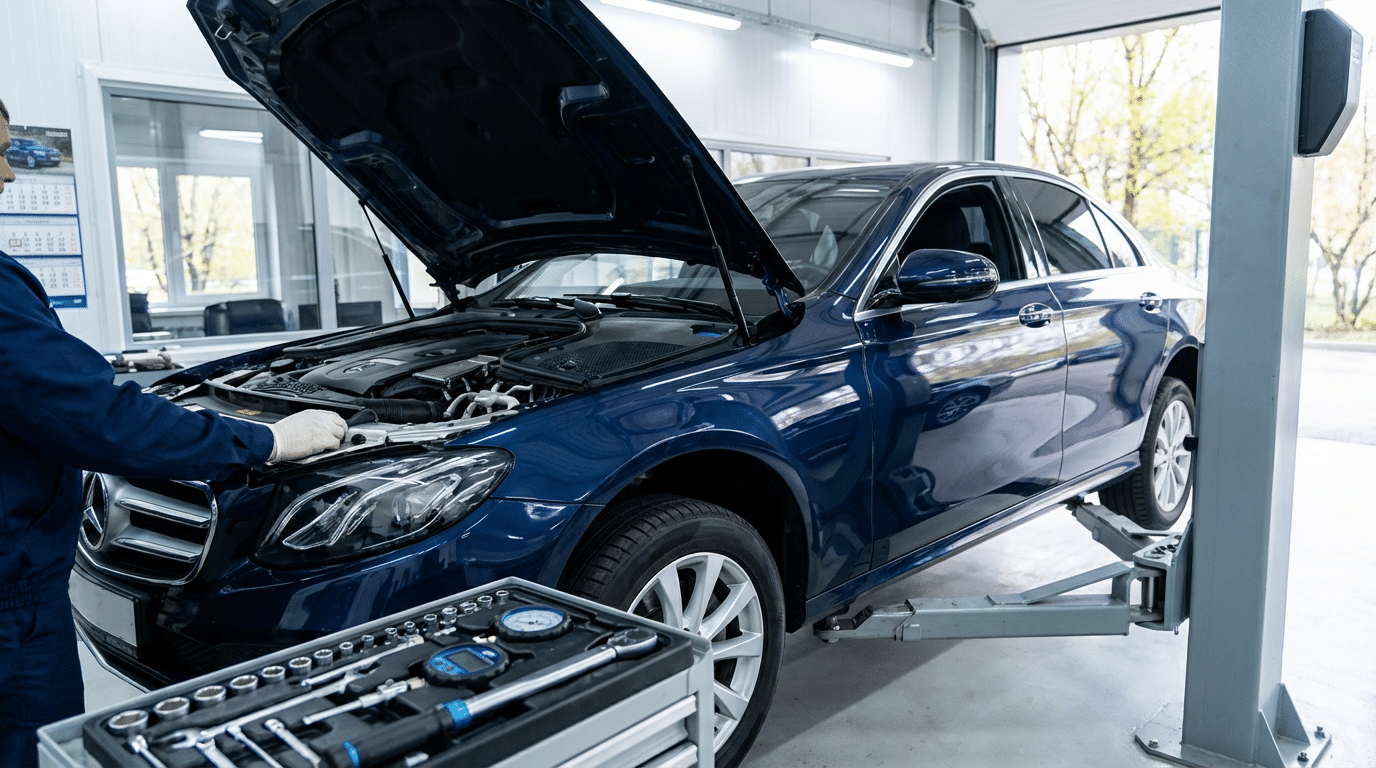



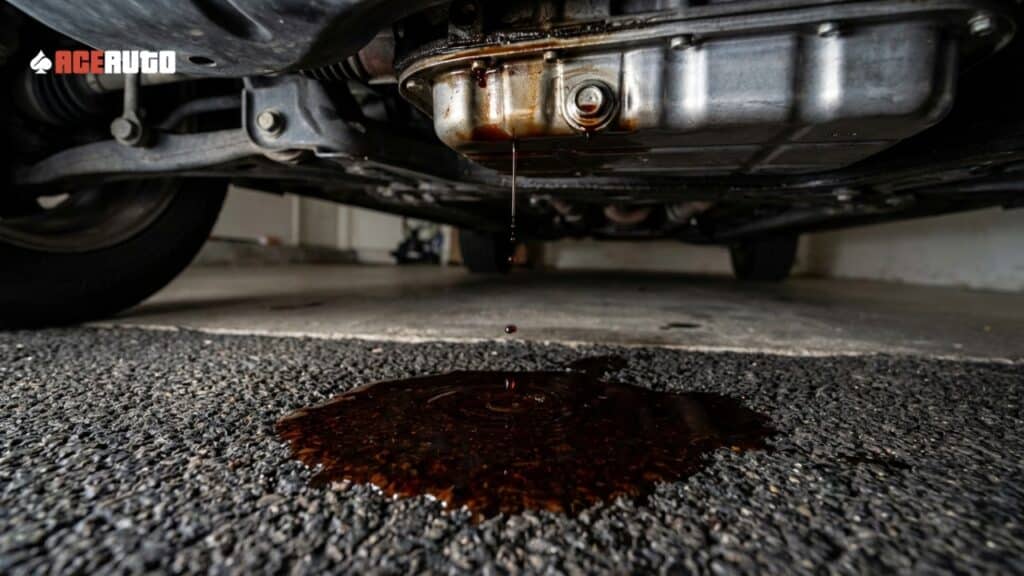

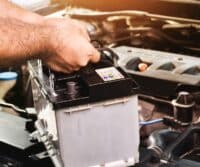


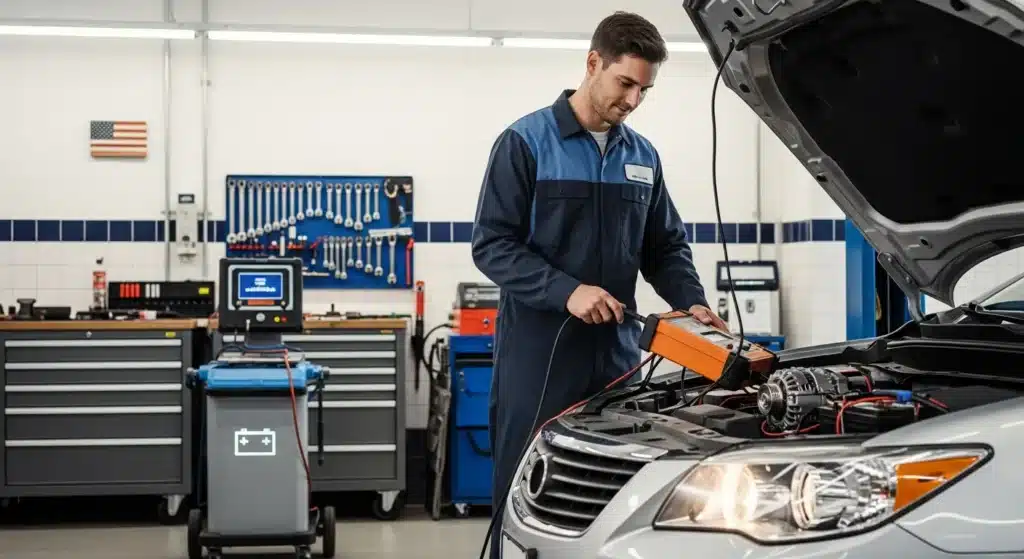

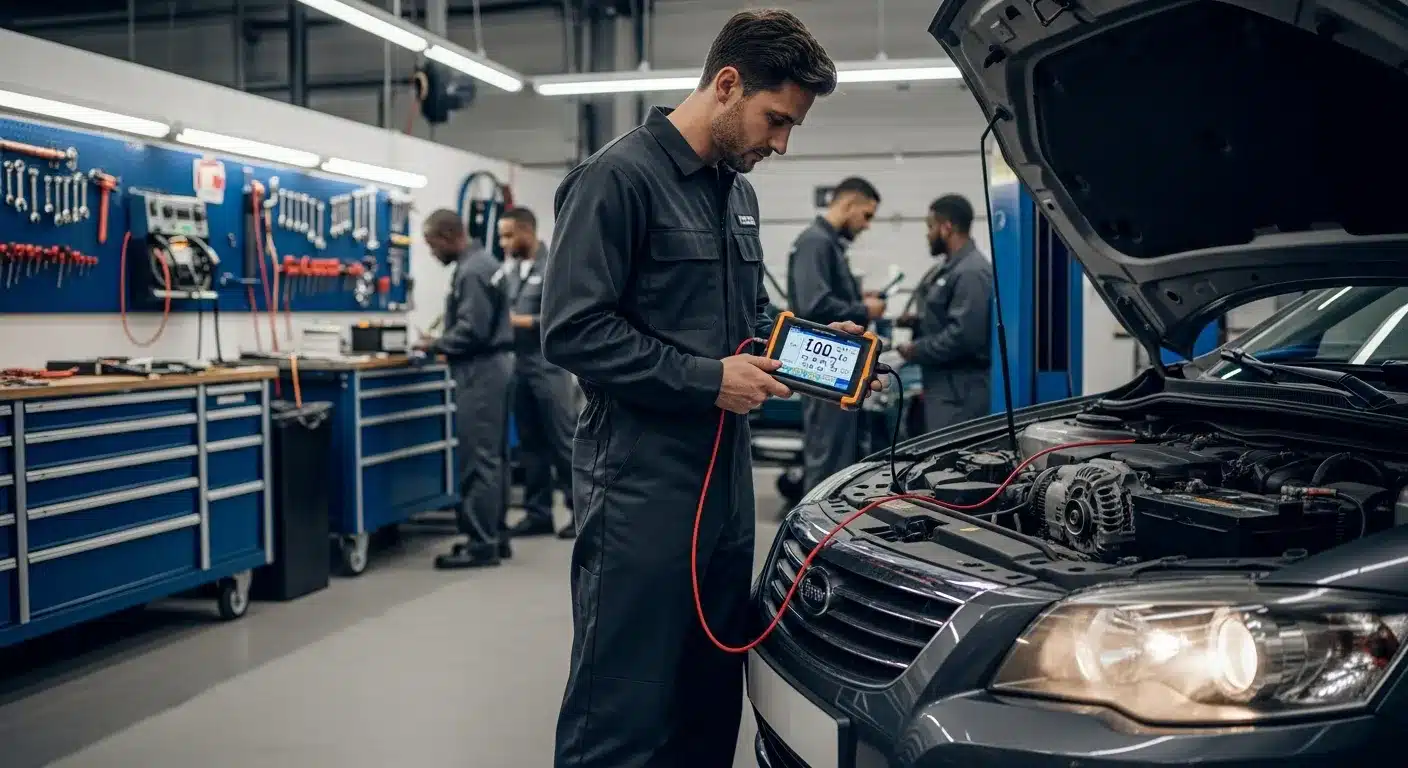

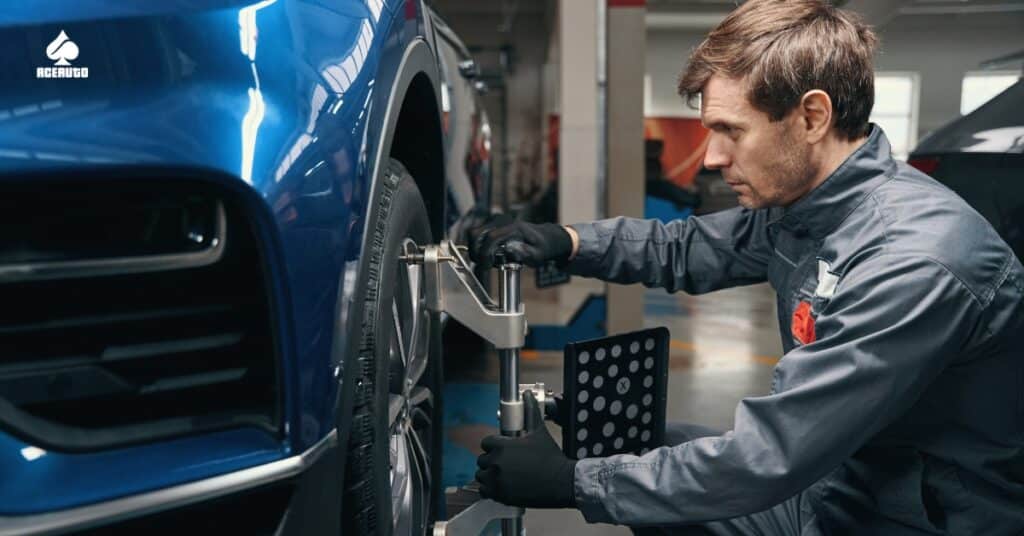

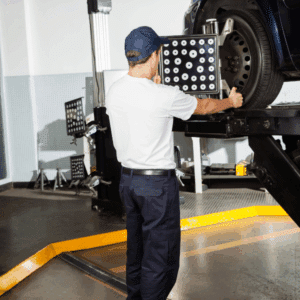


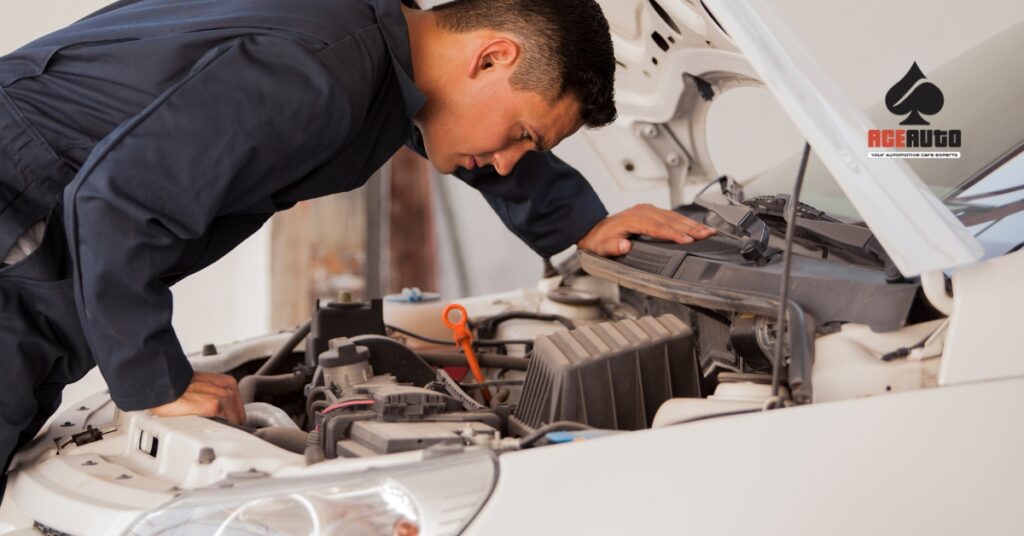
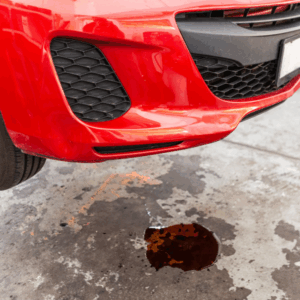




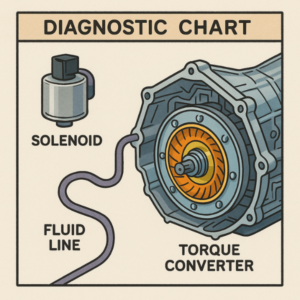


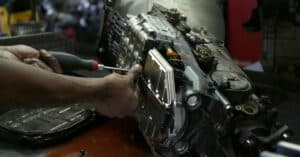
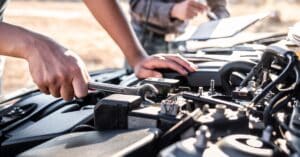
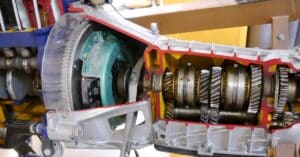

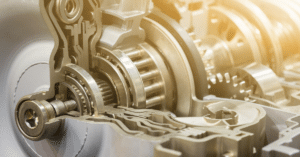


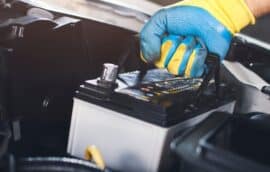
 Ace Auto Repair
Recent Comments